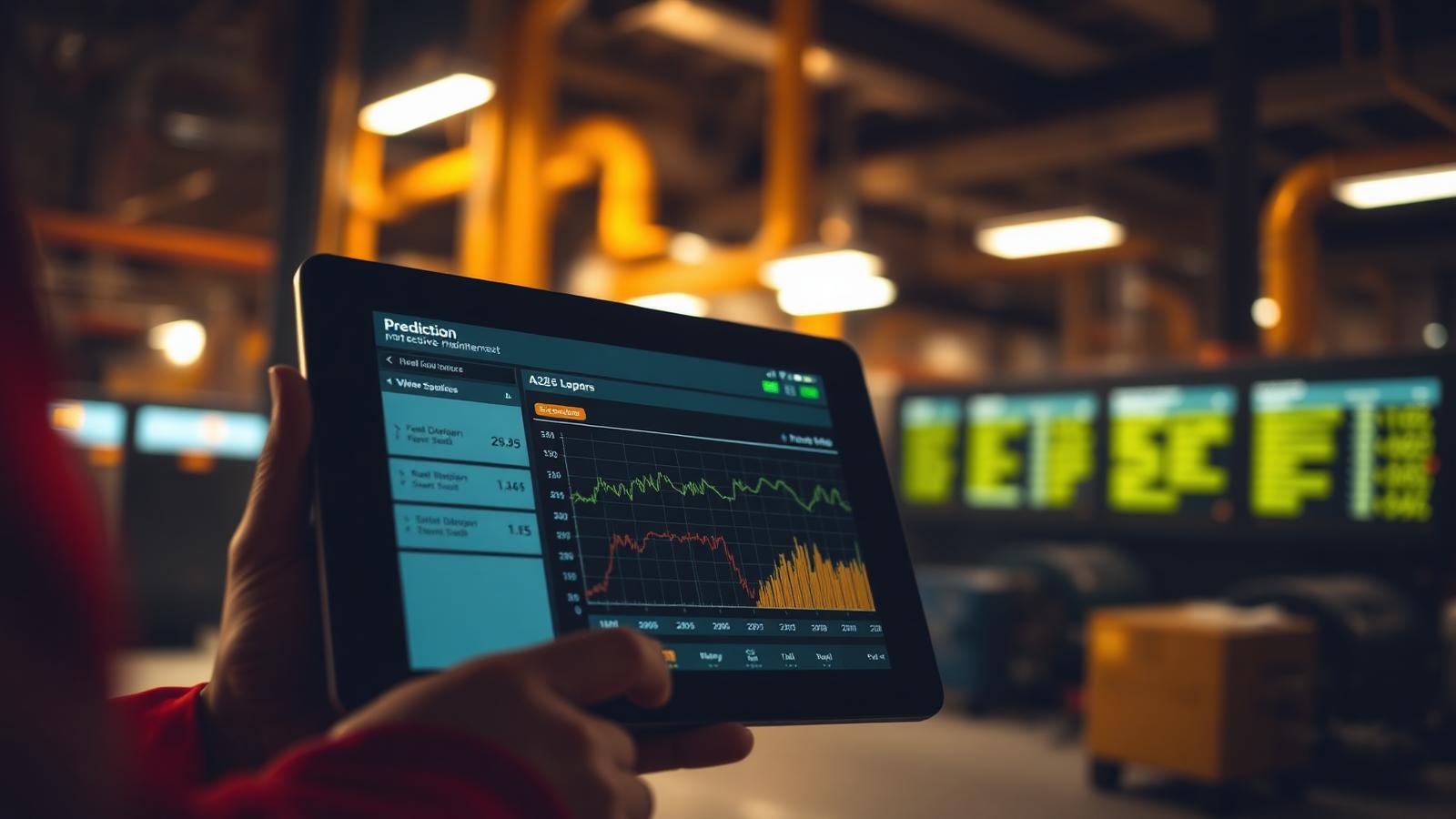
Vibration analysis explained: how sensors detect bearing failure weeks in advance.
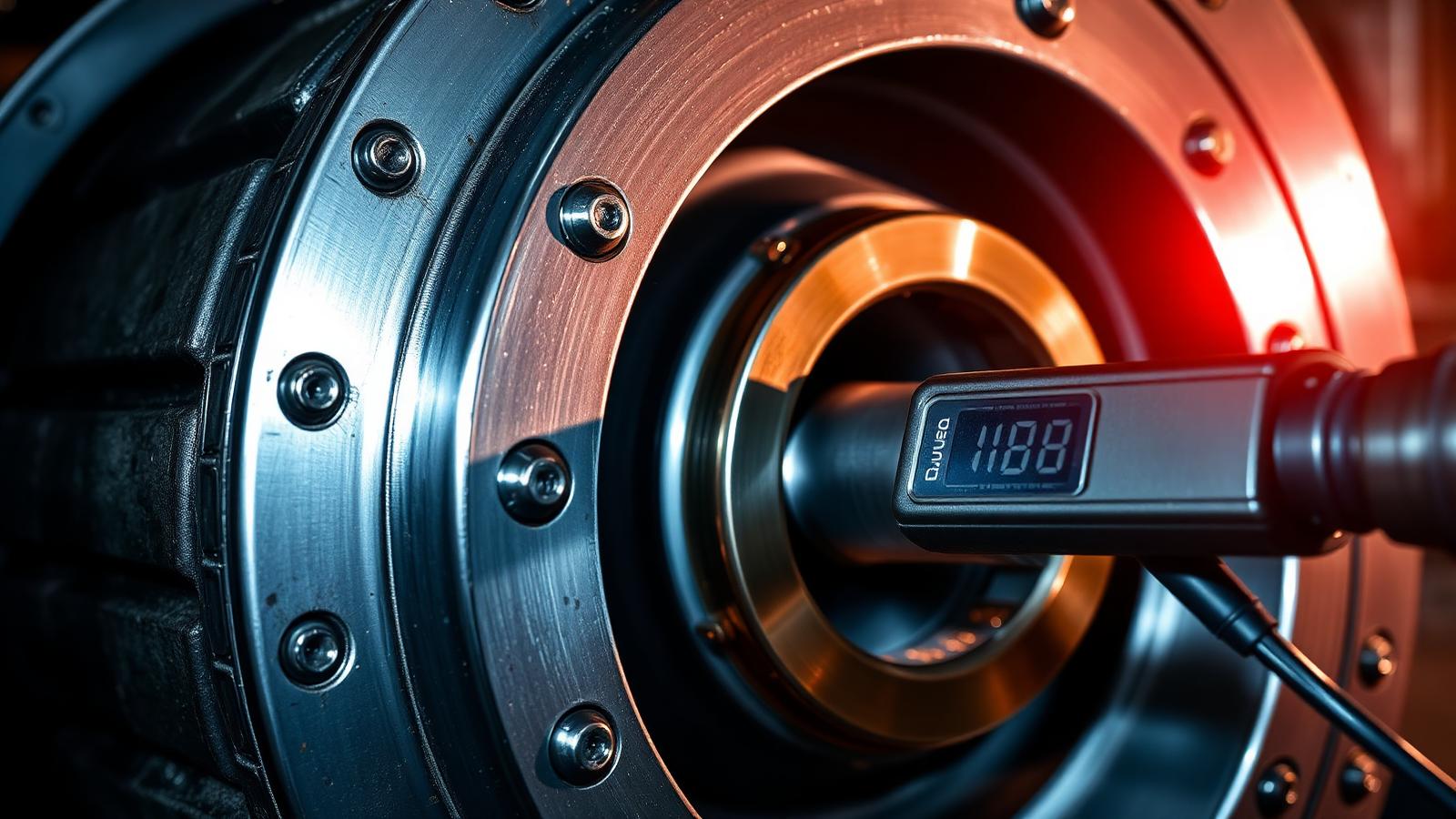
Vibration analysis detects rolling element bearing failure through four progressive stages that begin 6 12 weeks before the bearing seizes. Modern wireless sensors sample vibration at 25 50 kHz, run FFT analysis on the edge, and flag the earliest bearing defect frequencies (BPFO, BPFI, BSF, FTF) long before the human ear can hear anything wrong.
What are the four stages of bearing failure?
| Stage | Signature | Time to failure |
|---|---|---|
| Stage 1, Micro cracking | Ultrasonic (>20 kHz) energy rise | 6 12 weeks |
| Stage 2, Detectable defect frequencies | BPFO/BPFI peaks emerge in FFT spectrum | 3 6 weeks |
| Stage 3, Harmonic sidebands and audible noise | Harmonics, temperature rise | 1 3 weeks |
| Stage 4, Broadband noise, imminent seizure | Random broadband vibration, heat | hours-days |
How does ISO 10816 vibration severity work?
ISO 10816 (now largely superseded by ISO 20816) grades overall vibration velocity into zones A (good), B (acceptable), C (unsatisfactory), and D (unacceptable). The thresholds vary by machine class, a large motor tolerates more than a precision spindle.
| Machine class | Zone A | Zone B | Zone C | Zone D |
|---|---|---|---|---|
| Class I (small, <15 kW) | <0.71 | 0.71-1.8 | 1.8-4.5 | >4.5 |
| Class II (15 75 kW) | <1.12 | 1.12-2.8 | 2.8-7.1 | >7.1 |
| Class III (large, rigid) | <1.8 | 1.8-4.5 | 4.5-11.2 | >11.2 |
| Class IV (large, soft) | <2.8 | 2.8-7.1 | 7.1-18 | >18 |
Wireless vs wired vibration sensors
- Wireless, 3 5 year battery, install in minutes, no cable trays, ideal for retrofit. Trade off: sampling frequency capped and less continuous.
- Wired, continuous streaming, higher sampling, but requires cable runs and often a plant IT project. Best for the most critical assets.
- Most mid market plants deploy wireless on 80% of monitored assets and reserve wired for the top 10 critical ones.
What does a real alert look like?
"ASSET: Cooling tower fan #3. FAULT: Outer race bearing defect (BPFO 4.2× rise over 14 days). SEVERITY: Zone C, schedule within 3 weeks. PART: SKF 22218 spherical roller bearing. ESTIMATED REPAIR: 4.5 hours planned vs 18 hours reactive."
Common questions
Can you do vibration analysis with a handheld meter?+
Yes for spot checks, but monthly handheld routes miss the Stage 1 2 window where planning matters most. Continuous wireless monitoring is what makes the 6 12 week warning possible.
Where should the vibration sensor be mounted?+
As close to the bearing housing as possible, in the primary load direction. Sensors mounted on painted or curved surfaces lose 20 40% of high frequency signal.
What sample rate is needed for bearing analysis?+
At minimum 5× the highest expected defect frequency, typically 5 10 kHz for slow machines and 25 kHz+ for high speed pumps and motors.
Do vibration sensors work on variable speed drives?+
Yes, but the software must be order tracking capable so it can normalize the FFT to shaft speed. Not all entry level platforms handle this well.
Ready to see this on your plant?
A plant assessment takes one site walk. You get a prioritized list of your highest risk assets and a downtime cost model, free.
Book a Plant Assessment