Predictive maintenance for environmental equipment: RTOs, scrubbers and compliance risk.
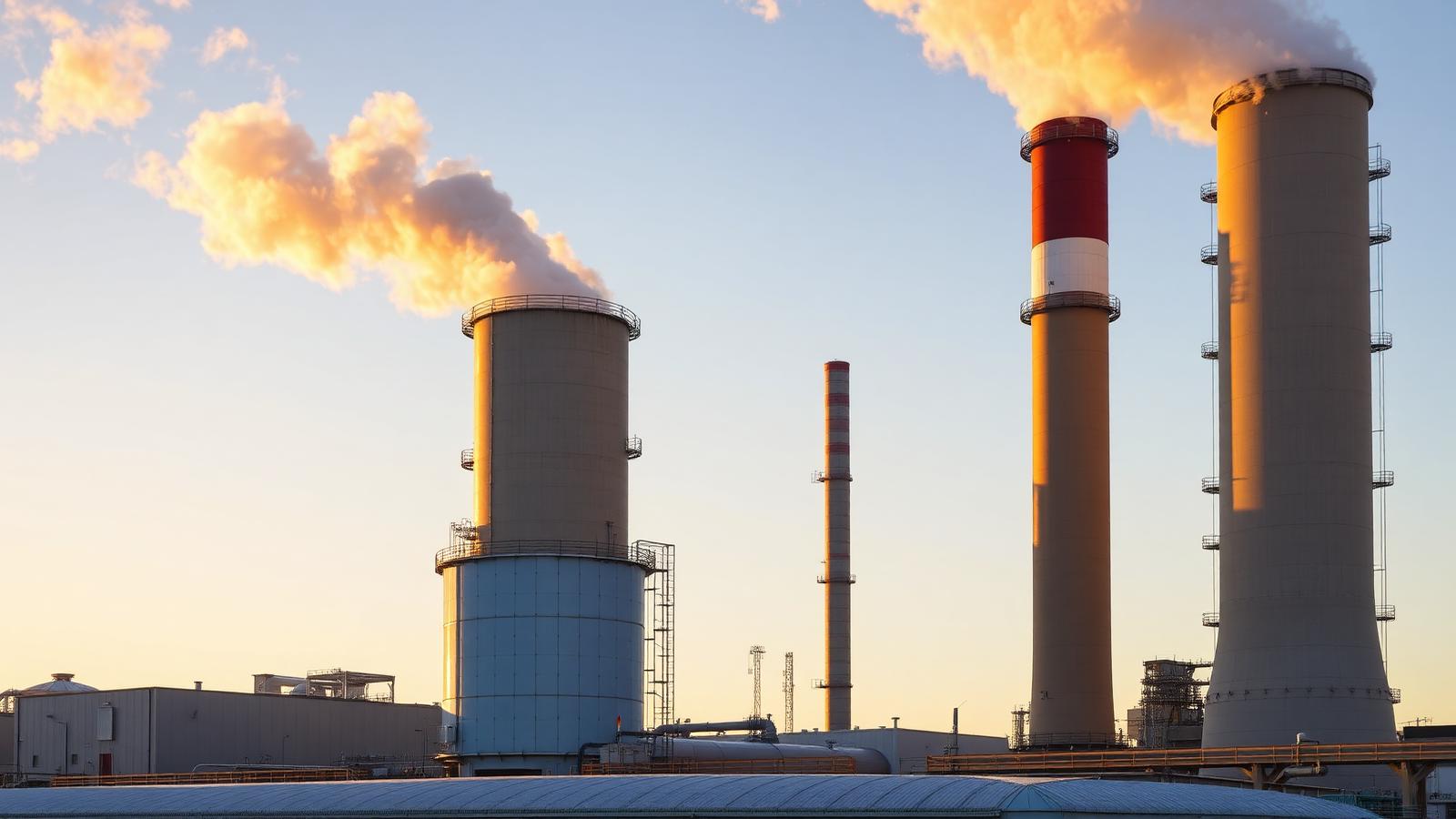
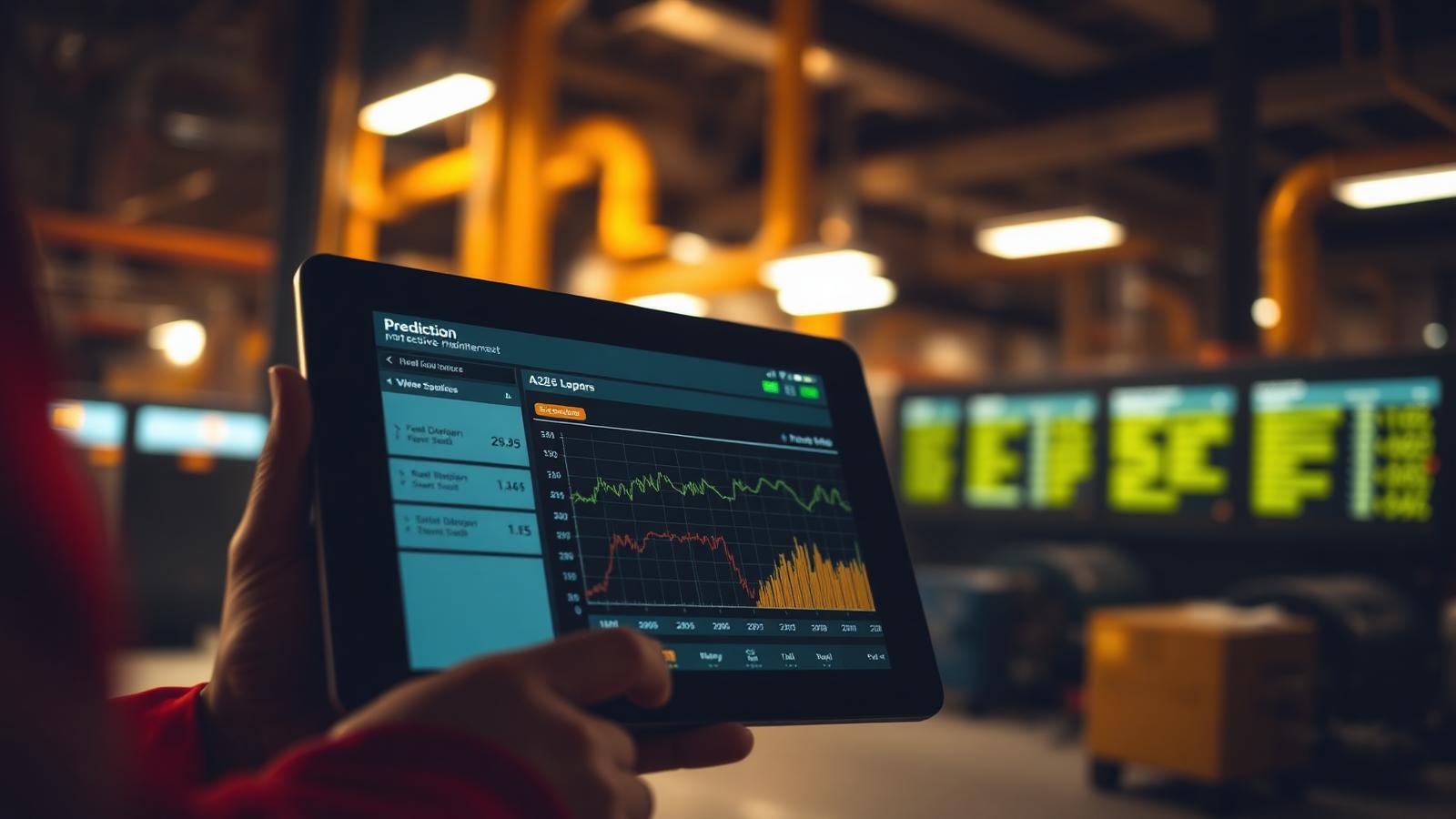
Predictive maintenance on regenerative thermal oxidizers, scrubbers and abatement equipment is different from ordinary industrial monitoring: an RTO failure isn't just a repair bill, it's a permit violation, a Title V fine and, in the worst case, a state ordered shutdown. Continuous condition monitoring catches the five most common failure modes 3 12 weeks before they cause an exceedance.
Why is monitoring environmental equipment different?
A failed pump costs a repair invoice. A failed RTO burner costs a Notice of Violation, six months of consent decree paperwork, and a paused production permit. The economic case for monitoring abatement equipment is dominated by regulatory risk, not downtime hours.
What are the five RTO failure modes monitoring catches?
| Failure mode | Sensor | Warning window |
|---|---|---|
| Poppet / diverter valve seal wear | Pressure differential + vibration | 4 8 weeks |
| Burner ignition / flame instability | Combustion temp + gas pressure | 1 3 weeks |
| ID / FD fan bearing wear | Vibration + temperature | 6 12 weeks |
| Ceramic media plugging or channeling | Pressure drop trend | 8 16 weeks |
| Combustion chamber temperature excursion | Multi point thermocouple | days 2 weeks |
How does monitoring double as compliance logging?
The same sensor stream that predicts failure also produces a continuous, timestamped record of operating parameters, the exact thing state agencies request during a Title V audit. What used to be a two week scramble to reconstruct logs becomes an on demand export.
- Combustion chamber temperatures at 1 minute resolution, 24 months retained.
- Bypass valve position and duration.
- Fan runtime and vibration trends.
- Automated exceedance flags with acknowledged/investigated timestamps.
- Deviation reports formatted to state agency templates.
What a pilot deployment on an RTO looks like
- Week 1, site walk, permit review, sensor placement plan.
- Week 2 3, install wireless vibration + temp + differential pressure sensors during a scheduled outage.
- Week 4 8, baseline learning under normal operating conditions.
- Week 9+, live alerts, compliance dashboard, monthly reliability review.
Common questions
Can predictive maintenance replace a CEMS?+
No. Continuous Emissions Monitoring Systems measure regulated pollutants at the stack and remain legally required. Predictive maintenance monitors the equipment itself and produces supporting operational data.
Will my state agency accept sensor data as compliance evidence?+
It's not a substitute for CEMS reporting, but time stamped operating data is routinely accepted as supporting evidence during deviation investigations and audits.
How much does an RTO downtime event actually cost?+
The repair itself is $10 60K. The associated NOV, legal review, and any production hold typically runs 5 20x that. Insurance rarely covers the regulatory portion.
Do we need to shut the RTO down to install sensors?+
Most sensors mount externally on bearings, ducts and valve bodies and can be installed hot. Thermocouple upgrades usually wait for the next scheduled outage.
Ready to see this on your plant?
A plant assessment takes one site walk. You get a prioritized list of your highest risk assets and a downtime cost model, free.
Book a Plant Assessment